The Ultimate Vehicle Protection Guide for Dubai Drivers: Choosing the Right Combination Based on How You Drive
Dubai driver playbook
Pick protection for how you actually drive, not for what a brochure says
Sun that hits 50 degrees on a metal bonnet, salt air off the Gulf, sand-blast from Al Qudra, and speed bumps in Al Barsha. Every car in Dubai fights the same enemies, but not in the same amounts. The right protection stack depends on the miles you cover, the roads you take, and how long you plan to keep the car.
This guide skips the sales pitch and gives you a decision framework. Nine driver profiles, the risks that actually matter for each, and the combinations that are worth the money. Two big questions come first: do you need paint protection film (PPF), a ceramic coating, or both? And how much underbody and window work should you layer on top?
PPF vs ceramic coating: the core trade-off
Most Dubai protection decisions come down to this pair. PPF is a thick urethane film that physically absorbs stone chips and light scratches. Ceramic coating is a thin, hard, glass-like layer that repels water, chemicals, and UV, and makes washing easier. They solve different problems, and the smart move is usually a layered approach rather than picking one team.
Paint protection film (PPF)
- Blocks stone chips from Sheikh Zayed Road gravel
- Self-healing on light swirl marks with heat
- Best for the front bumper, bonnet, mirrors, A-pillars
- Lasts 5 to 10 years depending on brand and care
- Higher upfront cost, higher resale protection
Ceramic coating
- Hydrophobic surface, dust and water bead off
- Strong UV and chemical resistance, key in Gulf sun
- Covers the entire car, wheels and glass included
- Lasts 2 to 5 years depending on grade
- Does not stop stone chips or deep scratches
For a car that spends its life inside city limits, ceramic often does 80 percent of the work at 30 percent of the PPF price. For anything driven on open highways, tracked, or kept for the long term, PPF on the impact zones plus ceramic over the top is the honest recommendation.
When to lean toward PPF
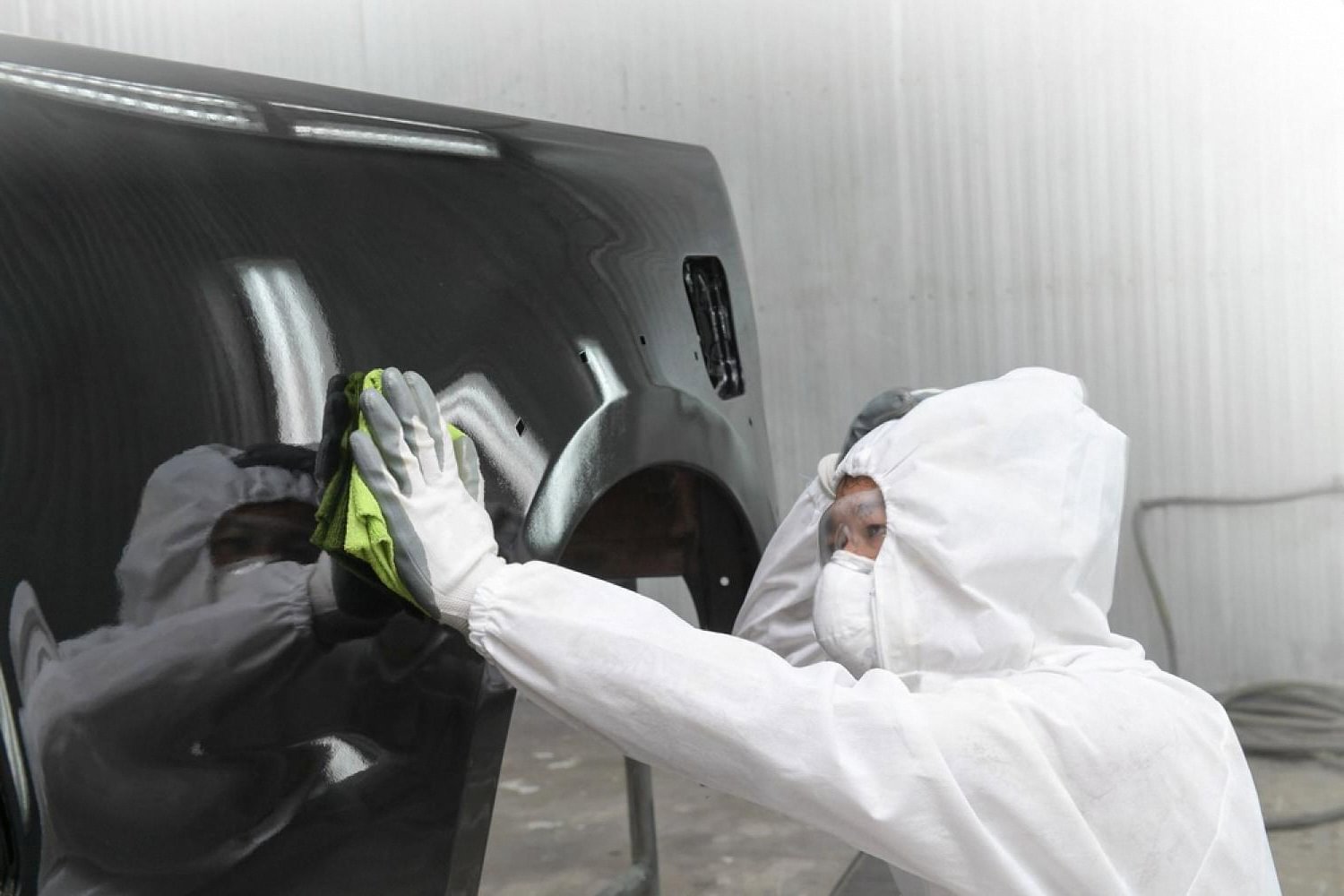
If your daily route includes E11, E311, or the airport road, you are constantly behind trucks that fling gravel. Supercar owners, luxury sedan owners on long commutes, and anyone whose car has a paint code that costs more than AED 3,000 per panel to respray belongs in this camp. The film pays for itself the first time it takes a chip you never see.
- Supercar owners. Full-body PPF is the default. Repainting a carbon front lip is a five-figure invoice.
- Luxury sedans and executive SUVs. Front partial PPF (bumper, bonnet, fenders, mirrors) plus ceramic over the whole car is the sweet spot.
- Long-term keepers. If you plan to hold the car more than four years in the UAE climate, PPF on impact zones protects resale value.
- Off-road enthusiasts. Rocker panels, lower doors, and the leading edge of the roof rack take a beating in Fossil Rock and Hatta. PPF there, plus underbody work, is essential.
When ceramic alone is enough
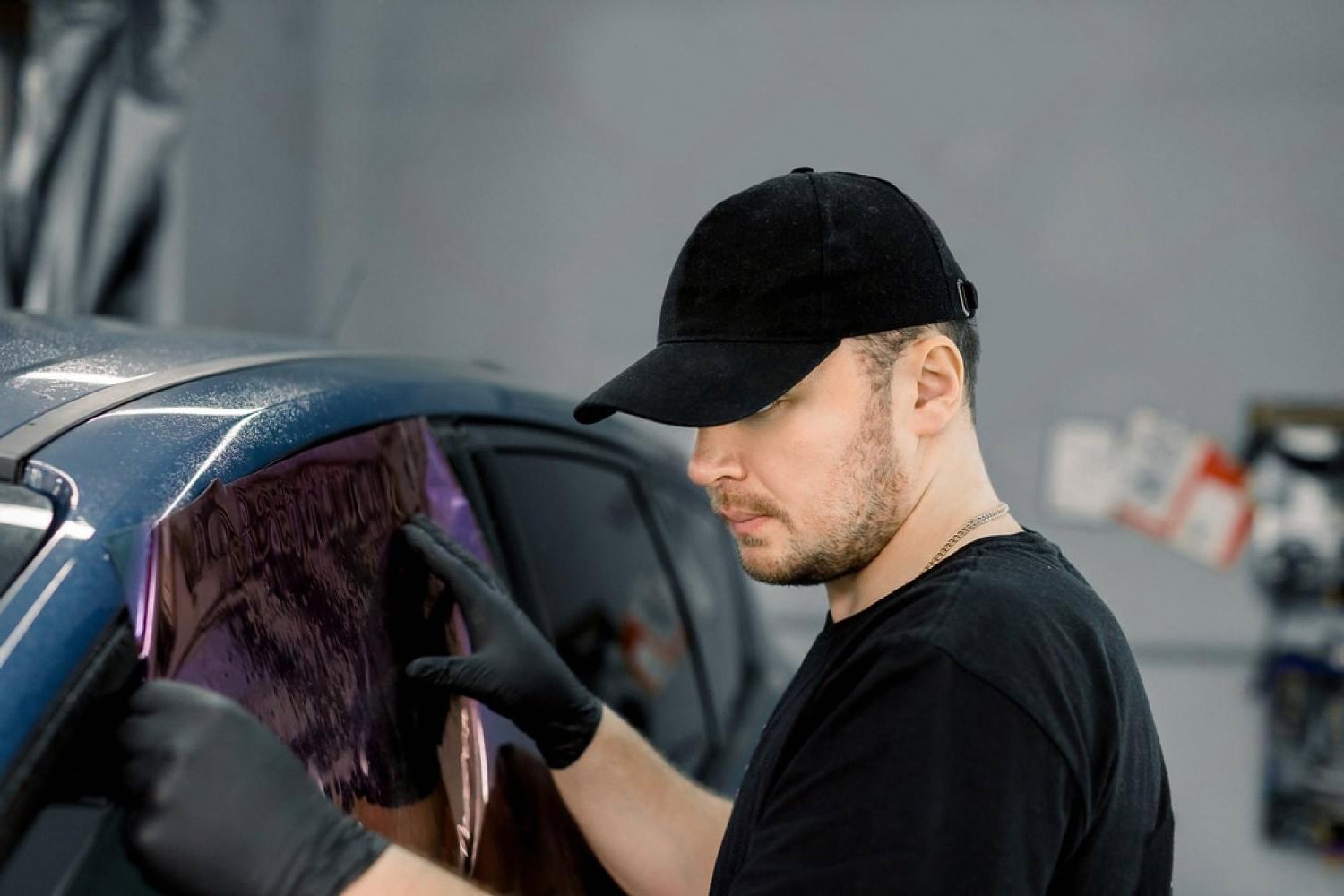
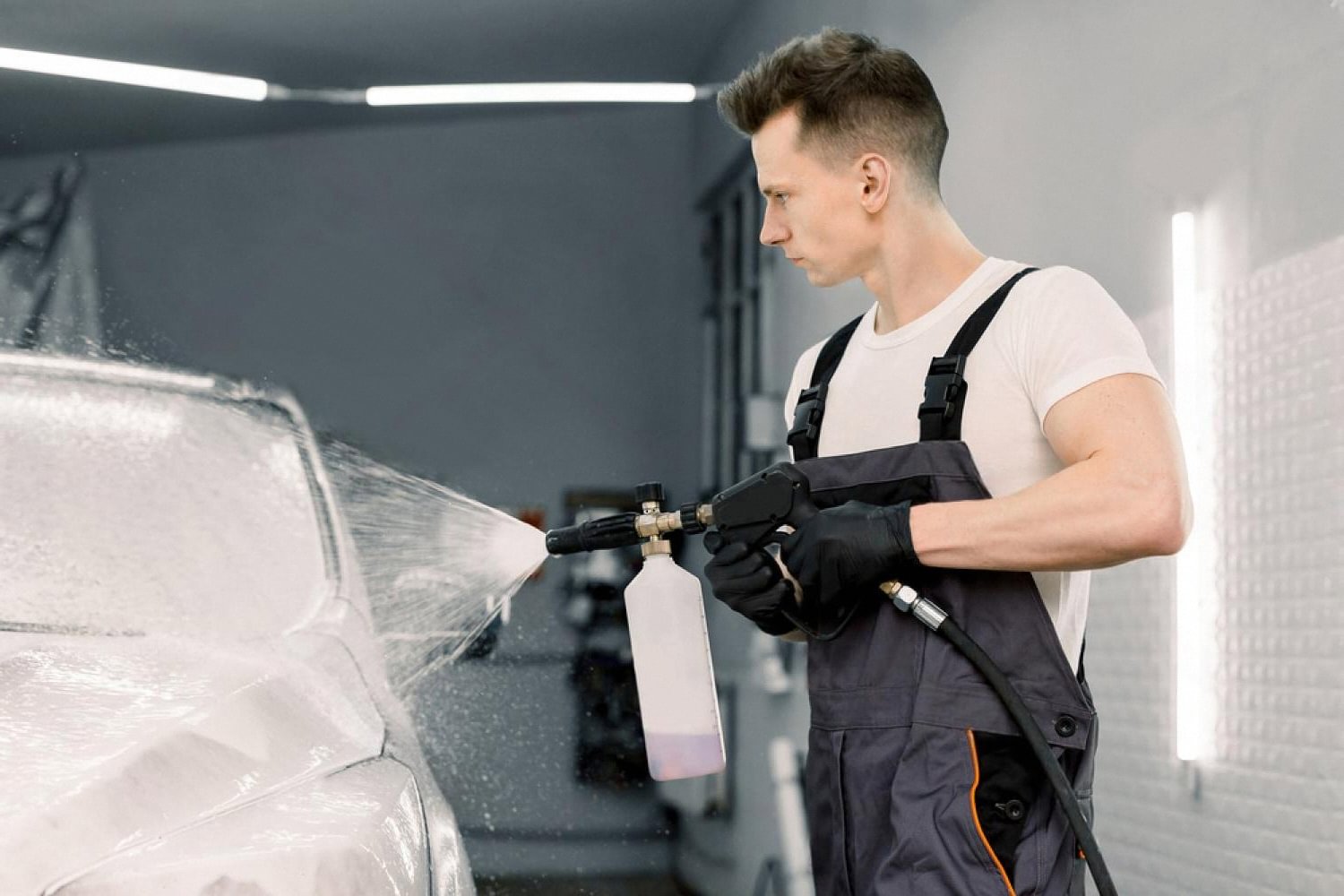
Not every car needs film. Ride-share drivers, EV owners in the city, and daily commuters with short routes get more real-world value from a good ceramic coating than from an expensive film they will never fully use. The coating keeps the paint looking new, cuts washing time in half, and shrugs off bird droppings and tree sap before they can etch.
- Daily commuters (city-only). A two to three year ceramic on paint, wheels, and glass. Add front PPF if parking hits are common.
- Ride-share and rental fleets. High wash frequency destroys unprotected paint. Ceramic reduces swirl marks and cleaning time.
- Electric vehicle owners. Heat rejection through glass matters more than film. Ceramic plus quality tint protects the battery and cabin.
- Classic car collectors. Modern PPF can react with older paint. A soft ceramic and a climate-controlled garage often beat film.
“If you drive fewer than 15,000 km a year inside the city, spend the PPF budget on a better ceramic and quality tint. If you drive more than that on highways, the film is not optional.”
The nine Dubai driver profiles at a glance
Use this table as a starting point. Every car is different, and a good installer will tailor the stack after seeing the paint, but the rows below match what most owners actually need.
| Driver profile | Recommended stack | Expected lifespan |
|---|---|---|
| Daily commuter | Ceramic + front partial PPF + ceramic tint | 3 to 5 years |
| Luxury sedan owner | Front full PPF + full-body ceramic + tint + underbody | 5 to 7 years |
| SUV owner | Front PPF + ceramic + underbody rust proofing | 5 to 6 years |
| Supercar owner | Full-body PPF + graphene coating + track-grade tint | 7 to 10 years |
| Electric vehicle owner | Ceramic + heat-rejection ceramic tint + wheel coating | 4 to 5 years |
| Ride-share driver | Interior fabric protection + ceramic + tint | 2 to 3 years |
| Commercial fleet | Entry ceramic + underbody + basic tint | 2 to 4 years |
| Classic car collector | Soft ceramic + climate storage + no PPF on original paint | 5+ years |
| Off-road enthusiast | Full PPF on lower panels + heavy underbody + skid coating | 5 to 7 years |
The other layers
Tinting and rust proofing pull their weight
PPF and ceramic get most of the attention, but two other services move the needle in the UAE climate. Quality car window tinting using ceramic or nano-carbon film blocks the infrared heat that cooks dashboards and drains EV batteries. According to Wikipedia’s overview of window filmmodern ceramic films can reject over 80 percent of infrared radiation without going darker than UAE legal limits.
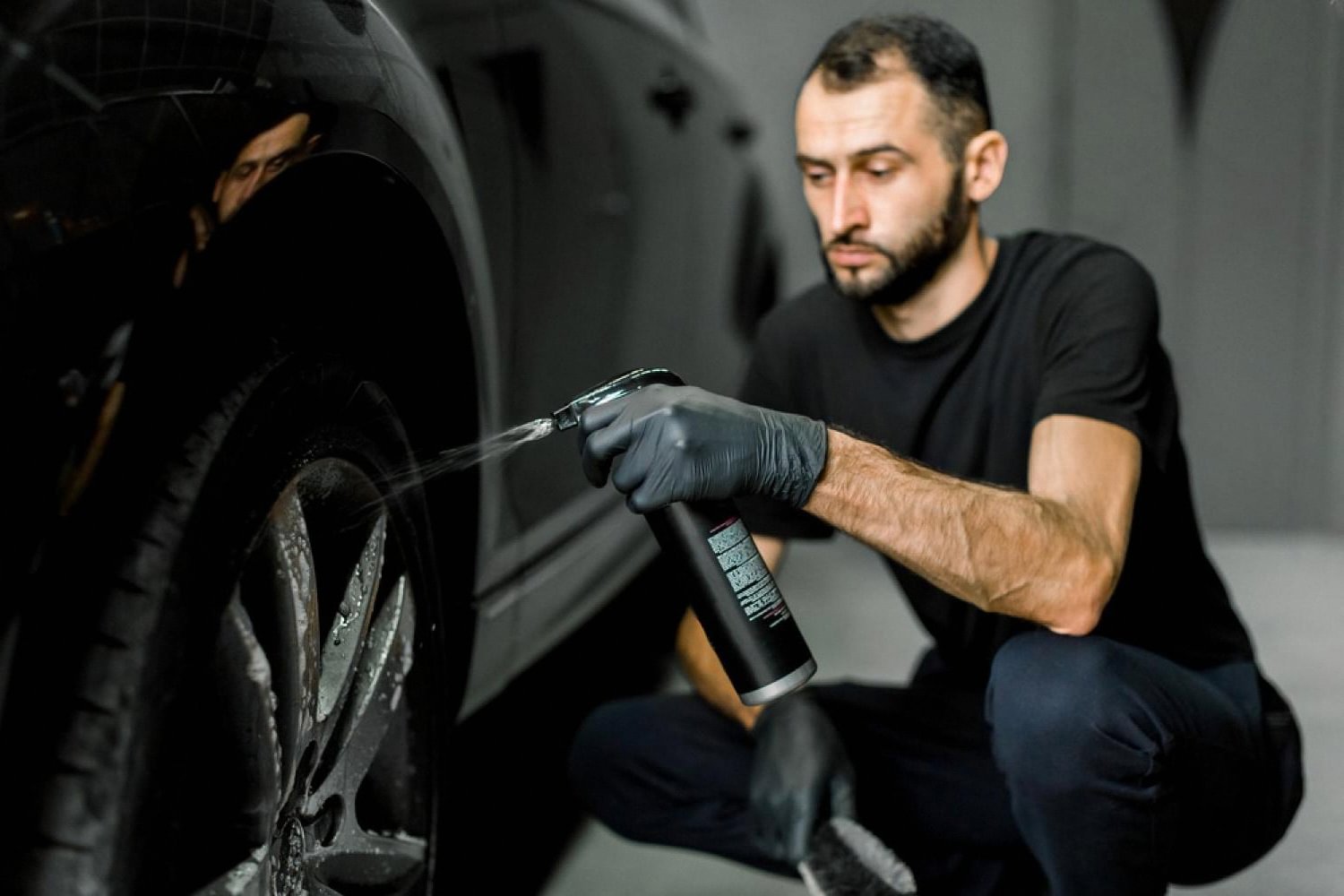
On the underside, car rust proofing matters more than most Dubai owners think. The mix of coastal humidity, occasional flooding on Al Wasl Road, and the salt spread on desert compounds attacks brake lines, subframes, and fuel tanks. A proper undercoating extends chassis life by years and protects resale value at trade-in.
Common mistakes that waste your money
- Coating over swirl marks. Ceramic locks in whatever is under it. Skip paint correction and you seal the damage in for three years.
- Full-body PPF on a lease car. The film is worth it only if you keep the car past the warranty. On a two-year lease, ceramic is smarter.
- Skipping the front PPF on a supercar. One stone chip on a carbon lip and you have paid for the film twice over.
- Cheap tint on an EV. Dyed film blocks visible light but not infrared. The battery still heats. Ceramic tint is the only choice worth making.
- Ignoring the underbody until it is too late. Rust proofing works on clean metal. Once corrosion starts, you are patching, not protecting.
- Booking during a sandstorm week. Contamination during install ruins the bond. Wait for clear weather or an indoor bay with proper filtration.
Timing: when to apply each service
Brand new car
PPF and ceramic within the first 30 days, before the paint takes its first chips. Tint can wait a week for the factory adhesive to fully cure on new glass.
Used car, good paint
Start with a two or three stage paint correction, then coat. Skip full PPF unless the paint is genuinely near-new.
Used car, tired paint
Full correction, then ceramic only. PPF magnifies existing defects. Underbody rust proofing after a thorough steam clean.
Five-year cost thinking
Protection looks expensive on day one and cheap on day 1,800. A daily commuter running a ceramic and front PPF stack typically spends less over five years than an unprotected car spends on paint touch-ups, wheel refurbs, and interior refreshes. A supercar with full PPF avoids a single respray that would cost more than the entire protection package. Budget with total cost of ownership in mind, not the invoice on install day.
The one honest rule: match the layer count to the car’s exposure. A garaged classic driven twice a month does not need what a Chevrolet Tahoe running to Al Ain every weekend needs. Ask any installer to explain each layer they recommend and what happens if you skip it. If they cannot, get a second quote.
Frequently asked questions
Do I really need both PPF and ceramic coating in Dubai?
Not always. If you rarely drive on highways and keep the car in a covered parking spot, a good ceramic coating on its own handles UV, bird droppings, and general grime. If you drive daily on Sheikh Zayed Road, in the desert, or plan to keep the car more than four years, front partial PPF plus a full-body ceramic is the combination that actually saves money over time.
How long does ceramic coating last on a car in the UAE?
A properly prepped and installed professional-grade ceramic coating lasts two to five years in Dubai’s climate. Consumer sprays sold at accessory shops rarely last more than six months. The main killers are harsh detergents, automated brush washes, and skipping the annual maintenance top-up that most installers include in the warranty.
Is window tinting legal in Dubai and how dark can I go?
Yes, but there are limits. Private vehicles registered in Dubai can go up to 50 percent tint darkness on side and rear windows. The windshield must remain largely clear apart from a small top strip. Ceramic films can achieve serious heat rejection while staying within the legal limit, so you do not have to choose between comfort and compliance.
Does an SUV or 4×4 need rust proofing in the desert?
Absolutely. Coastal humidity, salt from desert compounds, and occasional flooding all attack the underside of any vehicle in the UAE. Off-road driving adds stone strikes and stuck sand that trap moisture in seams. Underbody protection extends the life of brake lines, the subframe, and fuel tank fittings, and it makes a visible difference at trade-in inspections.
When is the best time to apply PPF on a new car?
Within the first 30 days of ownership, ideally the first week. The paint is at its cleanest and most defect-free, and there are no stone chips to trap under the film. Waiting six months usually means a paint correction is needed first, which adds cost. If you cannot install right away, at least ceramic-coat the car and add PPF later on the impact zones.
Can I ceramic coat an EV like a normal car?
Yes, and there are extra benefits. EVs are heavier and often ride on larger wheels, so wheel coatings reduce brake dust buildup that is harder to clean than on combustion cars. Heat-rejection ceramic tint also reduces load on the climate system, which translates into small but real range gains during Dubai summers. The paint prep process is identical to any other modern car.
What is the single most common mistake owners make with protection packages?
Skipping the paint correction step before coating. Ceramic and PPF do not hide existing swirl marks, water spots, or fine scratches, they seal them in. A proper two or three stage machine polish before any coating adds a few hundred dirhams to the invoice and years of visual quality after. Any installer who offers to coat without inspecting the paint under proper light is worth walking away from.

With over a decade of writing obituaries for the local paper, Jane has a uniquely wry voice that shines through in her newest collection of essays, which explore the importance we place on legacy.